
LU5:Creativity and Eco-Design through Ceramic Art and Heritage
At the end of this learning unit, the participants will be able to:
This learning unit aims to understand the significance of networking incorporating local cultural heritage. The role of heritage is frequently missing when we talk about community involvement in various activities, how we want local places to develop in the future. Heritage shapes how people identify them with the places they live, work and play.
In the lessons learners will be introduced to networking, its importance and benefits. The unit promotes community involvement, pride in creative partnerships linking local heritage with social benefits in a local, regional and European context.
Networking is an essential activity to learners, no matter what branch of the economy or non-governmental sector you work in or experience.
With the right approach, networking can provide an opportunity to build mutually beneficial relationships with professionals in different fields. By building a strong network, you will learn about the experiences, skills, capabilities, learn new information of your network members and make connections that open up new opportunities.
The learning unit “Networking” uses a variety of pedagogical methods, emphasizing project-based experiential learning, community engagement, to understand networking through local cultural heritage.
Classroom training. Classroom teaching is still the traditional and most commonly used teaching method. This method involves a lecture-style presentation and can be used in our classes on networking. However, this type of training can also take a long time and become less attractive to learners.
Online training. This training delivers training through computers or mobile devices. This type of digital training can support different training formats like video and quizzes, and empower learners to complete training at their own pace.
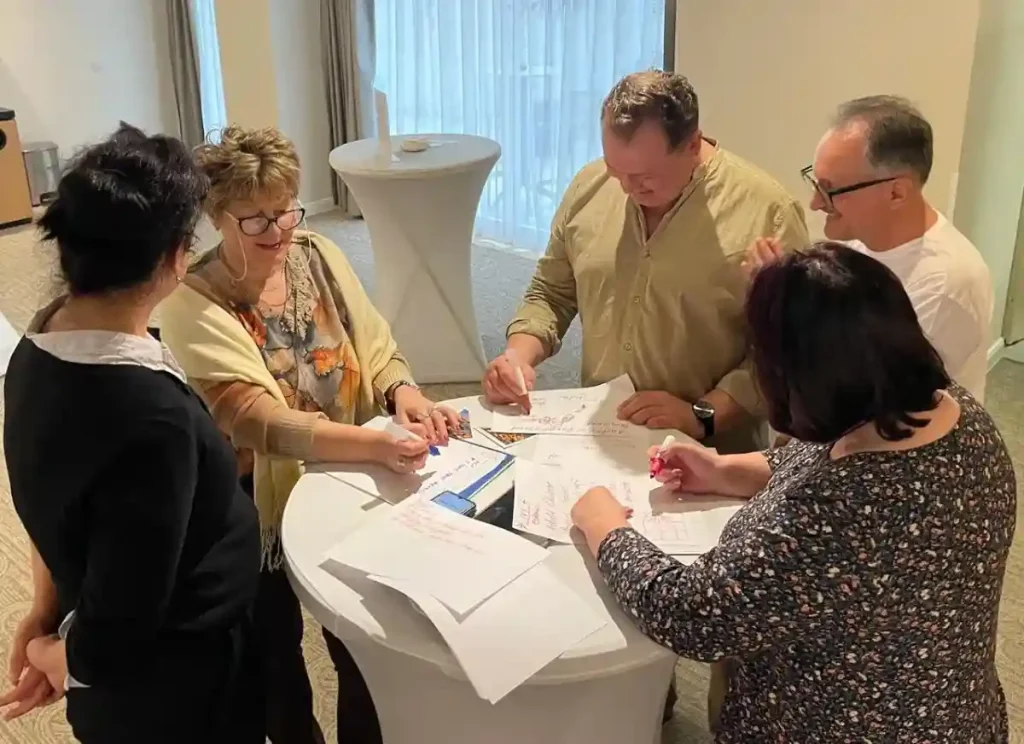
Interactive training methods. Interactive training replaces classroom-style training. This teaching method combines training with various group activities, workshops and educational games. We suggest to use interactive training games – Social cafe and Storytelling. Interactive training is almost great for all learners, but it may not be acceptable for quieter learners.
Practical training. This type of training method usually transitions to hands-on training through a variety of tasks. Adult learners prefer this method of training because it gives them the opportunity to immerse themselves in the activity, delve into the action and help their team.
Heritage and identity in Europe today.
Build a professional network.
https://www.futurelearn.com/info/blog/top-10-networking-courses.
Heritage is central to how places feel and function.
https://medium.com/networked-heritage/networked-heritage-f89130ee643f.
Training methods, methodologies and tools.
https://seismic.com/enablement-explainers/training-methods-methodologies-and-tools/.
A Beginner’s Guide to Networking
World heritage convention
National Parks in Lithuania
[dflip id=”2680″][/dflip]